Strategic Petroleum Reserve: How US Oil Taps Impact Markets
The United States Strategic Petroleum Reserve (SPR) stands as a critical national asset, a vast underground stockpile of crude oil designed to cushion the nation against severe supply disruptions. When the government decides to tap into these vital reserves, the decision reverberates far beyond the immediate release, sending ripples through domestic and international oil markets, influencing everything from gasoline prices at the pump to geopolitical power dynamics. Understanding why and how the US utilizes its
tapped oil reserves is crucial for grasping their complex impact.
The Strategic Petroleum Reserve: America's Energy Lifeline
Established in the wake of the 1973-74 Arab Oil Embargo, the SPR was conceived as a bulwark against future energy shocks. It's not just a collection of above-ground tanks; rather, the reserve consists of a network of 60 massive underground salt caverns located along the Texas and Louisiana Gulf Coasts. These geological formations are ideal for storing vast quantities of crude oil cost-effectively and securely. The SPR’s primary mandate is to provide an emergency supply of oil in times of severe disruption, ensuring economic stability and national security.
Over its nearly five-decade history, the SPR has been activated for various reasons, reflecting the evolving challenges of the global energy landscape. From natural disasters disrupting domestic supply chains to international conflicts threatening global availability, the decision to access these
tapped oil reserves is never taken lightly, often signifying a moment of significant national or global urgency.
Why Does the US Tap Its Oil Reserves? Diverse Motivations
The motivations behind releasing oil from the SPR are multi-faceted, ranging from immediate crisis response to strategic geopolitical maneuvering. Each scenario presents unique challenges and objectives.
Emergency Supply Disruptions: Battling Natural Disasters
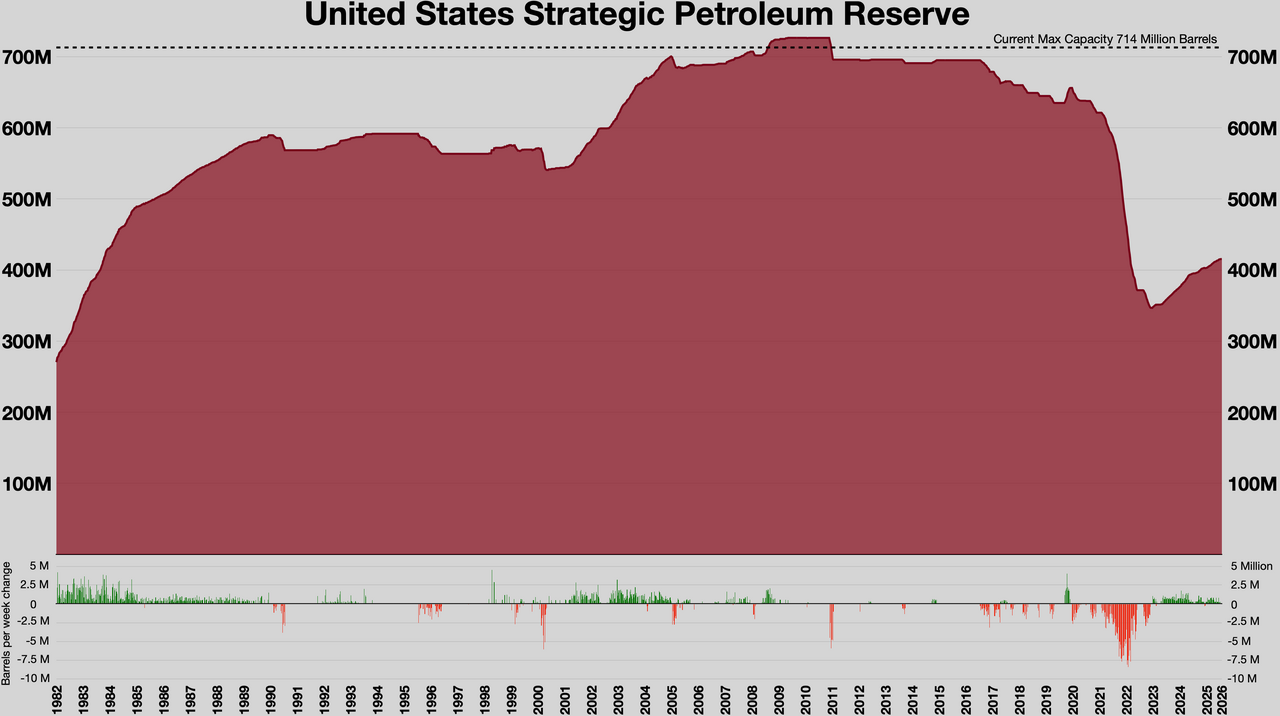
One of the most direct and historically frequent reasons for drawing from the SPR is to mitigate the impact of natural disasters. Hurricanes, in particular, can wreak havoc on the Gulf Coast, a region vital to the nation's energy infrastructure. For instance, when Hurricane Harvey rampaged across the Texas coast in 2017, it shut down 11 ports, stranded 28 tankers offshore, and crippled approximately 23% of U.S. refining capacity, including the nation's largest refineries.
In response, the Energy Department authorized an emergency exchange of 500,000 barrels of crude – a mix of sweet and sour varieties – to a Phillips 66 refinery on the Gulf Coast. This wasn't a sale, but an exchange: the company would replace the oil once normal supplies resumed. This targeted release aimed to prevent localized fuel shortages and support essential refining operations, a mechanism also employed during Hurricanes Isaac (2012), Gustav (2008), and Ike (2008). While crucial for the affected refiners, such limited releases generally have a negligible impact on broader market prices, as noted by market research managers like Gene McGillian, who suggested 500,000 barrels "isn't yet large enough to impact prices in the broader market."
Economic Stabilization & Geopolitical Influence: A Wartime Bridge
Beyond immediate disaster relief, the SPR serves as a powerful tool for economic stabilization and geopolitical influence. The most significant release in the SPR’s 46-year history came in 2022 when President Biden announced a massive draw of 1 million barrels a day for six months. This unprecedented move was directly aimed at offsetting the loss of Russian crude oil from world markets following its invasion of Ukraine.
The objectives were clear:
- Cut costs for American consumers: By increasing global supply, the administration hoped to alleviate soaring gasoline prices, a significant driver of inflation.
- Starve Russia of revenue: Reducing global oil prices would diminish the profits Russia could reap from its remaining oil exports, thereby impacting its ability to fund the war.
- Provide a "wartime bridge": President Biden characterized it as a measure to bridge the gap until global oil production could catch up and stabilize.
This type of large-scale, sustained intervention goes beyond regional supply issues, directly engaging with global economic pressures and international relations. Such decisions are often made in coordination with international bodies like the International Energy Agency (IEA), which also estimated a broader international release of 2 million barrels per day around that time, highlighting a collective effort to stabilize markets. For more details on this specific event, read
Biden's Record Oil Tap: Targeting Prices and Russian Revenue.
How Tapping Oil Reserves Impacts Global Markets
The act of tapping oil reserves sends a multifaceted signal to the global energy market, with effects that can be immediate, psychological, and long-term.
Immediate vs. Long-term Effects
Small, localized exchanges, like those for hurricane relief, offer immediate, albeit contained, relief to specific refineries and regional supply chains. They prevent critical infrastructure from seizing up, ensuring that local fuel production can continue. However, their volume is typically too small to move global crude prices significantly.
In contrast, large, sustained releases, such as the 2022 deployment, are designed to have a broader and more enduring impact. The injection of millions of barrels daily aims to:
- Increase Global Supply: Directly adds crude to the market, theoretically shifting the supply-demand balance towards lower prices.
- Reduce Price Volatility: Helps to calm anxious markets by demonstrating proactive government intervention to address supply concerns.
- Influence Futures Markets: Can lead to a downturn in crude oil futures contracts, signaling expectations of lower prices in the future.
However, the actual impact on consumer prices often lags, and the effectiveness can be diluted by overwhelming global demand, ongoing geopolitical tensions, or production shortfalls elsewhere. The market is vast, and even record releases from the SPR might only represent a fraction of daily global consumption.
Psychological Impact and Policy Signaling
Perhaps as significant as the physical oil released is the psychological impact of the decision to tap oil reserves. It signals to the market that governments are willing to intervene to prevent extreme price spikes or supply shortages. This can dampen speculative trading, reduce market fear, and stabilize prices by creating an expectation of increased supply. It also sends a clear message to oil producers – both domestic and international – encouraging them to increase their own output, knowing that governments are prepared to act if they do not.
The SPR's very existence, and the readiness to use it, adds a layer of stability to the global energy system, acting as a "shock absorber" during times of crisis. However, the use of the SPR also sparks debate. Administrations, like Trump's, have considered selling off portions of the reserve, or like Obama's, auctioning fractions for upgrades, highlighting the ongoing discussion about the optimal size and purpose of this national asset. Critics often argue against using the SPR for purely economic reasons, asserting it should be reserved strictly for emergencies to maintain its potency.
Practical Insights for Consumers and Policy Makers
For consumers, understanding when and why the US government taps its oil reserves provides context for fluctuating gasoline prices. While a large SPR release might not immediately drop pump prices, it often signals an underlying effort to stabilize the market that will eventually trickle down. It's a reminder that oil markets are complex, influenced by global events, production levels, and strategic government decisions.
For policymakers, the SPR represents a powerful, yet finite, tool. Its deployment requires a delicate balance: using it effectively during genuine crises without exhausting it prematurely or undermining its long-term strategic value. The decision to tap oil reserves is a blend of economic necessity, geopolitical strategy, and domestic political considerations, aiming to safeguard both national security and the economic well-being of its citizens.
The Strategic Petroleum Reserve remains a vital component of America's energy strategy. Its use, whether for a localized emergency or a global geopolitical crisis, underscores its enduring relevance in a world grappling with energy volatility. While not a silver bullet, judiciously
tapping oil reserves provides a crucial mechanism for the US to navigate the unpredictable currents of the global energy market, aiming to buffer consumers and maintain economic stability.