Biden's Historic Oil Tap: A Strategic Gambit to Tame Prices and Counter Russian Influence
The global energy landscape is perpetually in flux, a delicate balance influenced by geopolitical events, supply chain disruptions, and shifting demand. In moments of crisis, nations often look to their strategic reserves as a critical safety net. Few actions, however, have reverberated as strongly as President Biden's recent decision to unleash an unprecedented volume of oil from the nation's Strategic Petroleum Reserve (SPR). This monumental move, aimed squarely at mitigating soaring energy costs for American consumers and curtailing Russia's war chest, marks a significant shift in how the U.S. has historically utilized its emergency crude stockpiles. The phrase "tapped oil reserves" has rarely carried such weight, signaling a bold strategy designed to navigate a complex economic and geopolitical environment.
The Biden Administration's Historic Move: A "Wartime Bridge" for Global Stability
In a declaration that underscores the gravity of the current global energy crisis, President Biden announced a plan to release 1 million barrels of oil per day from the U.S. Strategic Petroleum Reserve for a period of six months. This staggering volume, amounting to approximately 180 million barrels over half a year, represents the largest release in the SPR's 46-year history. President Biden himself framed it as a "wartime bridge," acknowledging the severe market disruptions caused by Russia's actions in Ukraine and the subsequent loss of Russian crude oil from international markets.
The objectives behind this unprecedented
tapped oil reserves initiative are multifaceted:
-
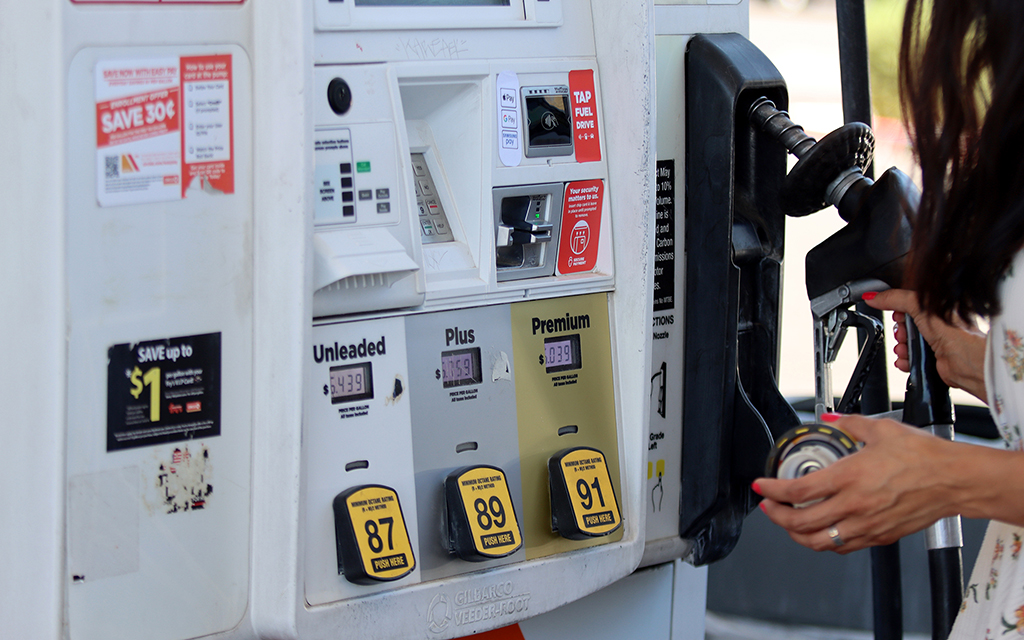
Curbing Inflation and Consumer Costs: The most immediate and tangible goal is to alleviate the burden of high gasoline prices on American households. With crude oil prices soaring well above $100 a barrel, a significant contributor to broader inflationary pressures, increasing supply aims to bring down costs at the pump and provide much-needed economic relief.
-
Starving Russia of Revenue: By increasing the global supply of crude oil, the U.S. aims to reduce global reliance on Russian energy and depress the international price of oil. This strategy seeks to diminish the substantial revenue stream that fuels Russia's military operations, exerting economic pressure in response to its aggression.
-
Stabilizing Global Markets: The sheer scale of the U.S. release, complemented by a broader, coordinated effort from the International Energy Agency (IEA) to release additional reserves (bringing the total to an estimated 2 million barrels per day globally), is intended to send a strong signal to the market, reassuring traders and consumers that supply will be bolstered during this tumultuous period. This collective action highlights the international community's scramble for a quick fix to relieve pressure at the pump and slow economic activity.
This move is a direct response to a geopolitical crisis, distinguishing it significantly from previous SPR releases that primarily addressed domestic supply chain disruptions.
The Strategic Petroleum Reserve: America's Energy Lifeline
To truly understand the significance of President Biden's actions, it's essential to grasp the nature and purpose of the Strategic Petroleum Reserve. Established in 1975 in the wake of the Arab oil embargo, the SPR is the world's largest emergency supply of crude oil. It consists of a network of massive underground salt caverns along the Gulf Coast of Texas and Louisiana, capable of holding hundreds of millions of barrels of crude.
The primary mission of the SPR has always been to provide a buffer against severe petroleum supply disruptions, whether caused by natural disasters, technical failures, or international crises. It acts as an insurance policy for the U.S. economy, designed to be called upon when conventional market mechanisms fail to ensure adequate supply.
Over the years, the management and future of the SPR have been subjects of debate. For instance, former President Donald Trump had considered selling off half the reserve, while his predecessor, Barack Obama, sought to auction a fraction to fund critical upgrades to the caverns. These discussions underscore the constant balancing act between maintaining a robust emergency reserve and managing the fiscal implications of storing such vast quantities of oil. Understanding the SPR's foundational role is key to appreciating the current administration's decision. For more in-depth insights into its mechanics, explore our article on the
Strategic Petroleum Reserve: How US Oil Taps Impact Markets.
Precedent & Perspective: Past Instances of Tapped Oil Reserves
While President Biden's recent action is unprecedented in its scale and geopolitical motivation, the U.S. has indeed
tapped oil reserves on several occasions in the past. However, these earlier instances typically differed significantly in scope and intent.
A notable example occurred in 2017 following Hurricane Harvey's devastating rampage across the Texas coast. Harvey crippled a significant portion of the nation's refining capacity—about 23% of U.S. capacity was shut down, including the nation's largest operated by Motiva Enterprises LLC. The storm also closed numerous ports and disrupted critical infrastructure like the Colonial Pipeline, which transports fuel to the Northeast. In response, the Energy Department authorized an emergency release of half a million barrels of U.S. government oil from the SPR (specifically, 200,000 barrels of sweet crude and 300,000 barrels of sour crude from the West Hackberry site) to a Phillips 66 refinery on the Gulf Coast.
This type of release was structured as an "exchange," where the company receiving the oil would later replace it once supplies returned to normal. The aim was to address localized supply disruptions and ensure refineries could continue operations, preventing widespread fuel shortages in the affected region. As market research manager Gene McGillian noted at the time, "If we saw a sizable release from the SPR, you would probably see the market come under pressure, but 500,000 barrels, while it could help that refinery, I'm not sure that's having much of an effect on the market." This highlights the critical distinction: smaller, localized releases for specific refineries are unlikely to sway global oil prices.
Other instances of emergency exchanges from the SPR include:
-
2012: During Hurricane Isaac, Marathon Petroleum Corp. requested an emergency loan of 1 million barrels to supplement its refining operations.
-
2008: Exchanges were also authorized during Hurricanes Gustav and Ike, demonstrating the SPR's role as a rapid-response tool for natural disaster recovery.
These historical examples underscore that previous SPR taps were primarily tactical maneuvers to restore domestic supply chains following natural disasters, often involving "exchanges" rather than outright sales. President Biden's current move, in contrast, is a strategic, sustained release designed to impact global prices and exert geopolitical pressure.
Impact and Implications: What Tapped Oil Reserves Mean for Markets and Consumers
The decision to unleash 1 million barrels per day for six months from the SPR has profound implications for global energy markets, consumers, and geopolitical dynamics.
Short-Term Price Relief and Market Volatility
The immediate impact of such a large injection of crude into the market is psychological and practical. While 1 million barrels per day is significant, it needs to be viewed in the context of global daily consumption, which typically hovers around 100 million barrels. However, it represents a substantial counter to the estimated loss of Russian crude, providing a critical boost to supply. The market often reacts to signals of increased supply, which can lead to a softening of oil prices. This, in turn, can translate to lower gasoline prices at the pump, offering some relief to consumers grappling with inflation. However, the effect may not be instantaneous or as dramatic as many hope, as numerous other factors, including refinery capacity, transportation costs, and retailer margins, also influence the final price consumers pay.
Global Market Dynamics and Geopolitical Leverage
The release is intended to challenge Russia's economic lifeline. By increasing overall supply, the U.S. aims to reduce the leverage Russia gains from high oil prices, potentially forcing them to sell their crude at a discount or see their market share diminish. However, the effectiveness of this strategy also depends on the actions of other major producers, particularly OPEC+ (the Organization of the Petroleum Exporting Countries and its allies), which has thus far been reluctant to significantly increase its own output. Their decisions will play a crucial role in determining the overall balance of supply and demand.
Long-Term Concerns and Energy Security
A sustained, large-scale release inevitably raises questions about the long-term health and readiness of the SPR. Depleting such a significant portion of the reserve (approximately 30% of its current holdings) could leave the U.S. vulnerable to future, unforeseen supply shocks. The administration will eventually face the challenge of replenishing the SPR, which could be costly and time-consuming, especially if oil prices remain elevated. Furthermore, some critics argue that tapping the reserve so aggressively disincentivizes domestic oil production, potentially prolonging reliance on foreign oil.
For consumers, understanding these dynamics is key. While the SPR release offers a potential respite from escalating fuel costs, it's not a silver bullet. Gas prices are notoriously volatile, influenced by a complex web of global events. Staying informed about broader energy strategies and being mindful of personal energy consumption remain practical approaches to navigating an uncertain energy future.
In conclusion, President Biden's decision to launch the largest-ever release from the Strategic Petroleum Reserve is a bold and calculated risk. It underscores the administration's dual commitment to easing the financial burden on American families and asserting economic pressure against Russia. While the full impact will unfold over the coming months, this historic tapping of oil reserves highlights the critical role of strategic stockpiles in navigating both economic turbulence and geopolitical strife, shaping the future of global energy security.